Introduction
Body piercing involves breaking the skin barrier, which inherently presents a risk of infection – even when done carefully. Mistakes in infection control can lead to local infections, systemic infections, or transmission of blood-borne viruses (e.g. hepatitis B, C, HIV). The UK’s Tattooing and Body Piercing: Infection Prevention and Control guidance emphasises using evidence‑based practices to reduce risks.
Below are frequent pitfalls seen in piercing studios and how to avoid them – with emphasis on practical steps, referencing UK and Level 2 IPC principles.
1. Poor Hand Hygiene & Glove Use
Mistake: Failing to wash hands properly, or relying too heavily on gloves without proper hand hygiene.
Why it matters: The hands are a major route for transferring microorganisms. Even gloved hands can become contaminated.
How to fix it:
Adopt Standard Infection Control Precautions (SICPs) — always treat every client as potentially infectious.
Hand wash with liquid soap and water (at least 20 seconds), then dry with single-use towels before putting on gloves.
Use alcohol-based hand rub when hands aren’t visibly soiled.
Remove all jewelry (rings, bracelets) and keep nails short and unpolished.
Change gloves between tasks or clients – do not reuse.
2. Inadequate Cleaning, Decontamination & Sterilisation
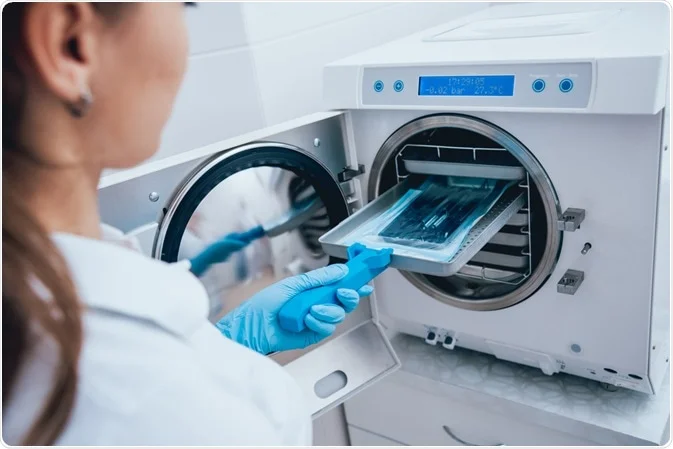
Mistake: Thinking “cleaning” is enough, skipping proper decontamination or sterilisation steps. Using unsuitable equipment, or not validating the steriliser.
Why it matters: Microorganisms (including bacterial spores) survive unless properly removed or destroyed. The guidance toolkit insists on validated equipment and rigorous processes.
How to fix it:
Follow a three-stage process:
Cleaning (removal of visible debris)
Disinfection / decontamination (chemical agents)
Sterilisation (e.g., autoclaving under pressure and time)
Use a Class B autoclave (or as appropriate) and ensure it is maintained and validated (use biological indicators, Bowie-Dick tests).
Keep steriliser logs and records (cycle parameters, maintenance, spore test results).
Package instruments in sterile pouches before sterilisation and open them just prior to use.
For single-use items, dispose properly – don’t attempt reuse.
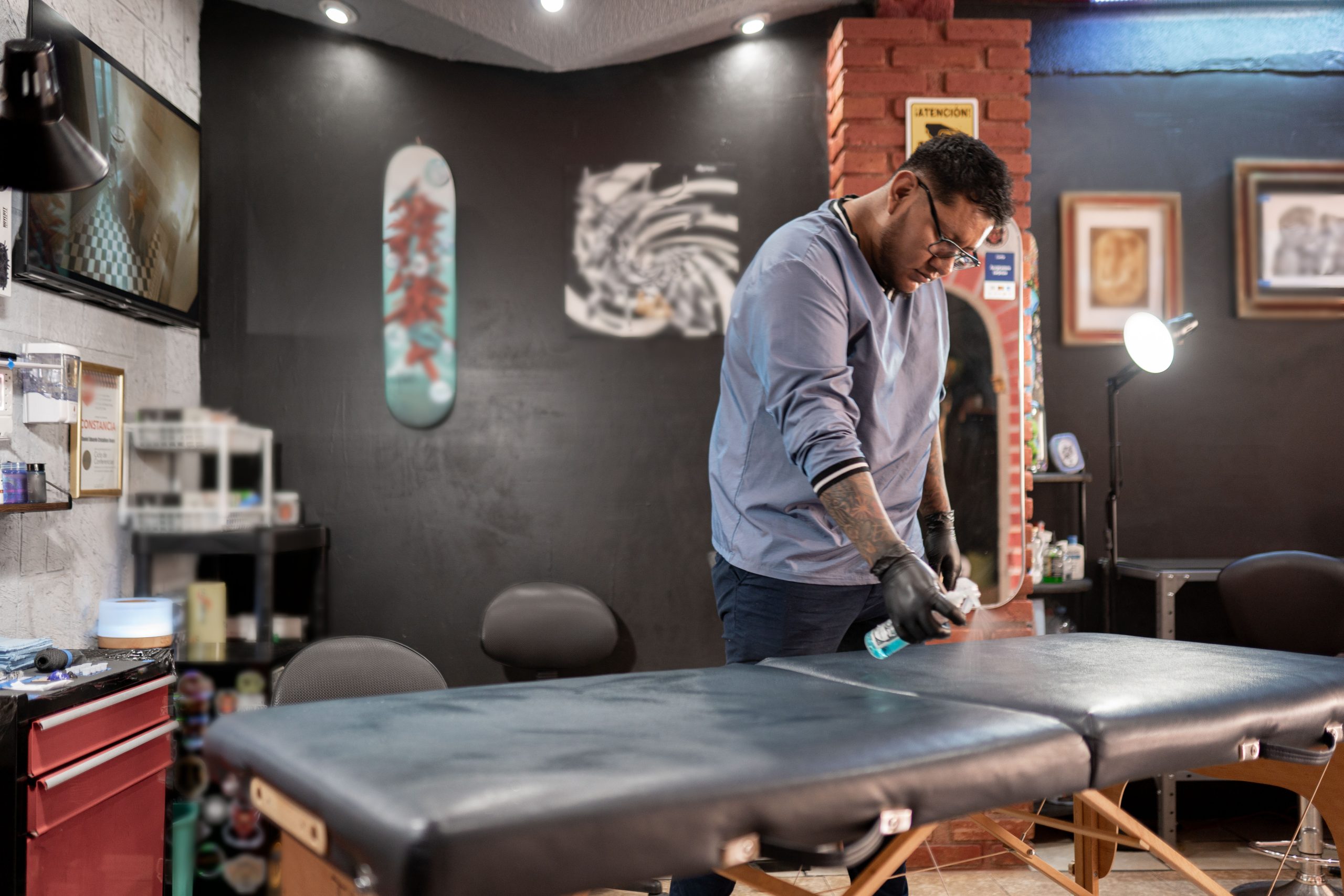
Don’t skip cleaning the studio environment: wipe down surfaces, disinfect worktops, clean floors, and handle spills promptly.
3. Improper Skin Preparation & Aseptic Technique
Mistake: Skipping or rushing skin prep, touching the site after antisepsis, or using weak antiseptics.
Why it matters: Skin harbours microbes. Without prep, piercing can carry those microbes beneath the skin, leading to infection.
How to fix it:
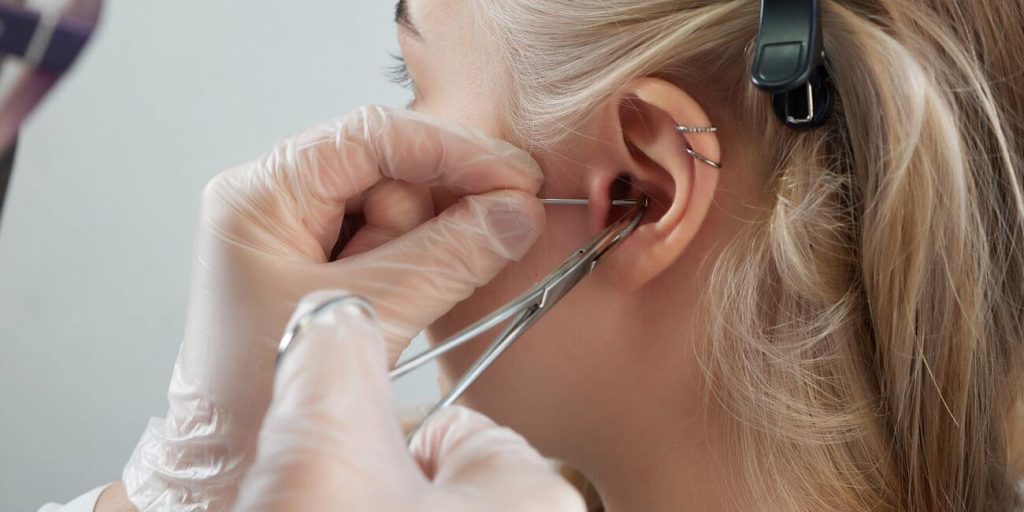
Clean the skin with an appropriate antiseptic (e.g. 70% isopropyl or chlorhexidine-alcohol) and allow it to act for the correct contact time.
Use sterile gauze or swabs – avoid reusing swabs.
Maintain aseptic non-touch technique (ANTT) – once the site is prepped, don’t touch it with fingers or non-sterile tools.
If any contamination occurs, re-prep the area before proceeding.
4. Poor Waste Handling & Sharps Management
Mistake: Incorrect disposal of needles/jewellery or messy storage of contaminated waste.
Why it matters: Sharps carry high risk of needlestick injury and cross-contamination. Improper waste can expose staff and other users to pathogens.
How to fix it:
Use puncture-resistant sharps containers for needles and sharps.
Never overfill sharps bins – follow local guidance and replace before full.
Segregate clinical waste (soiled dressings, gloves) from general waste.
Label and store waste securely until collection.
Ensure staff are trained in exposure protocols (e.g. what to do after a needlestick).
5. Inadequate Aftercare Advice & Client Instructions
Mistake: Providing vague or generic advice, failing to stress hygiene after the procedure.
Why it matters: Even perfect piercing can become infected if clients don’t look after the site well.
How to fix it:
Provide written aftercare instructions tailored to piercing (cleaning schedule, signs of infection, what to avoid). (Many councils include model advice sheets)
Stress the importance of hand hygiene before touching the piercing.
Warn against:
rotating jewelry prematurely
using unclean creams or touching with dirty hands
swimming in non-sterile water too soon
tight clothing contacting the new piercing
Tell clients what signs of infection to look for (increasing redness, swelling, heat, pus, pain)
6. Lack of Training, Oversight or Refresher Policy
Mistake: Assuming staff “know it already” or skipping refresher training.
Why it matters: IPC is evolving, and mistakes creep in over time if not audited and refreshed.
How to fix it:
Train all staff (or yourself) using certified Level 2 IPC training for special procedures (piercing).
Conduct regular audits and spot checks on your IPC practices.
Update policies when guidelines change or new equipment is introduced.
Maintain logs, checklists, and standard operating procedures (SOPs) that staff sign.